

How to Select an Outdoor Pellet Stove
A pellet stove for outdoor use is an economical and convenient alternative to traditional fireplaces that burn wood. Maintenance and installation are crucial to ensure safety and efficient operation.
The auger is used to deliver the fuel into the burn pot where it is ignited, and creates heat. The exhaust system vents combustion gasses out through pipes.
Cost-Effective Heating
Pellet stoves offer a cost-effective alternative to other heating systems. They utilize renewable energy sources to heat your home and are essentially carbon-neutral when they are burned. This makes them a green alternative to other fuels. This is a major selling point for many homeowners. Installing a pellet stove can be expensive, so it is important to think about your budget before deciding.
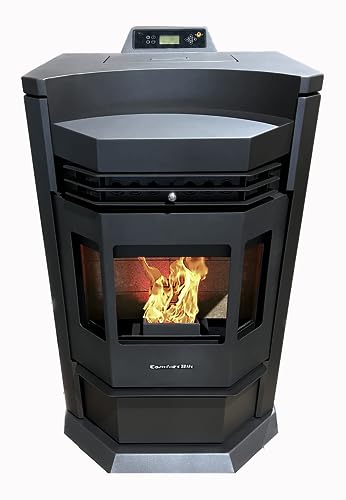
These stoves also allow you to relax by an ambiance of warmth without the need to constantly start the fire or carry in and stack firewood. They burn pellets made from compressed organic materials, such as sawdust and wood byproducts. Because they are so compact, they require less storage space than traditional firewood, and produce significantly lower amounts of ash and creosote than wood-burning stoves. They are produced under strict quality control and the pellets are sourced from trees harvested sustainably.
These stoves can be used to heat just one room or the entire home, and they can be combined with central heating systems to facilitate zoned heating. These stoves are great for supplementary heating, especially in areas that are frequently occupied. They can also save you money on your central furnace by reducing its use.
While they require electricity for operation, an outdoor pellet stove can help you reduce your dependence on fossil fuels while promoting greener living. This is a major selling point for many homeowners and the government often provides tax credits, incentives or rebates to help homeowners to switch to more sustainable heating options.
Since the health crisis, the price of pellets has remained steady while other energy sources fluctuated. This stability has allowed pellet stoves to compete with other forms of heating however they aren't as efficient as a wood-burning or electric heat pump. It is also possible to use an electric heat source as a backup using a pellet stove in the event of power failure, which could be beneficial for homeowners who have.
Easy to operate
Pellet stoves are more comfortable to use than traditional wood-burning fireplaces. They are controlled by thermostats that allow you to set the temperature you want for your home automatically. They require less maintenance as they release less smoke and particulate material. The burn pot in pellet stoves is equipped with an auger that delivers fuel to the burners. These create a flame to ignite the pellets. A fan circulates heated air through the house, while another discharges any smoke from the stove to the outside via a vent hole or chimney.
You can add more pellets as the flames go out and the hopper goes out. Some models self-ignite and don't require an ignition starter. However, you can utilize one if it is needed. Pellets are compressed and smaller than firewood, meaning they are easy to handle and will not make the stove as messy as a wood-burning fireplace or stove can be. Ash is also disposed of under the stove and can be easily swept away.
Although pellet stoves don't produce as much heat as other types of heating systems, they are still quite efficient and can dramatically reduce the cost of energy. The most efficient pellet stoves are ones that are properly designed and maintained regularly.
It is essential to ensure that the pellets are ventilated to avoid health issues. A wood pellet stove is also powered by electricity to power the fan, auger and other parts. It's important to have a backup source of power in the event that there is a power failure.
As a result, a pellet stove is the ideal choice for homes that do not have chimneys, since it does not require separate smoke extraction systems. The majority of pellet stoves use less energy, which can aid in saving money on your energy bills. Despite their efficiency and ease of use pellet stoves require proper installation to function correctly. Installation by professionals and adequate ventilation are essential to ensure safety and performance.
Versatile Design
Consider a range of features when selecting the best tower pellet stove. This will allow you to decide which one is suitable for your home. For instance, choose a heater that has an efficient rating. The higher the efficiency rating, the more heat is produced per pellet, which lowers energy costs. Pay attention to the size and capacity of the hopper. A larger hopper will reduce refills frequently, saving you time and money. Make sure you are aware of security and maintenance features. Look for a safe enclosed flame design and a simple to clean ash pan, which makes cleaning a breeze.
Pellet stoves offer greater versatility than wood stoves, as they do not require chimneys to ventilate. They produce less smoke and discharge combustion gases from the house through forced venting. They can be installed into homes with chimneys or a small pipe that runs from the front of the home.
pellet stoves vs wood stoves that has an enormous hopper to avoid having to refill it frequently. You may also want to consider a heater with a digital display so you can easily monitor and control the stove from an extended distance. Also look for models with remote controls and programs that can be programmed. These features allow you to keep your home cozy and warm, even when you are away from home.
This kind of heating source, which uses wood pellets that would be wasted otherwise and is therefore more eco-friendly. It is crucial to remember that pellet stoves are powered by electricity for their fans and augers. Without an adequate supply of electricity the stove won't operate properly and could generate dangerous carbon monoxide. This is why it's important to have a backup power source available in the event of a power outage. It's also a good idea, in the event of a power failure or natural catastrophe to think about other heating options.
Long Burning Time
Wood pellet stoves are a fantastic option for those who live in cold climates, however they shouldn't be your sole source of heat. Unless you have sufficient ductwork to properly distribute the warm air produced by this kind of stove, it is recommended that you have a different source of heating to use as an alternative in the event of power failures or other circumstances beyond your control.
Wood pellet stoves provide an eco-friendly alternative to traditional fireplaces. They can burn a variety of organic materials. These stoves are an excellent option for homeowners who wish to reduce their carbon footprint while maintaining an inviting, warm home in winter. They make use of renewable natural resources and produce little pollution.
Pellet stoves function like furnaces in that they have thermostatic controls that automatically maintain the desired temperature based on your settings. In contrast, most wood stoves require manual operation to alter the output of heat.
The pellet stove's hoppers typically have enough fuel to last for one to two days of use, and the majority of them have built-in fans which help to circulate heat throughout your home. This allows for more evenly distributed heat and makes the stove less susceptible to dust.
Wood pellet stoves come with a disadvantage in that they require a constant supply of pellets for the fire to burn. If you don't plan in advance, you could run out. To ensure that you don't run out of pellets, you should try to buy a large amount before winter arrives.
Regularly cleaning your stove and emptying the ash pan are also important. Regular cleaning prevents the accumulation of harmful creosote and ensures that your stove is working effectively. You should also store pellets in a place that is dry to avoid damage caused by moisture. Be aware that wood-burning stoves produce tiny amounts of carbon monoxide which can accumulate in enclosed and airtight spaces over time. Install an alarm for carbon monoxide in your home, and service it at least every year.